
Healing remembers its own way
Becoming Nabiya is a living, evolving practice, nourished by the Tamalpa Life/Art Process, Continuum, and the wisdom of lived experience.
Through inner movement, expressive arts, circle, and ritual, we create space to listen, discover what is already within, and welcome what is emerging.

Tending the Circle
A space to be seen, heard, and held
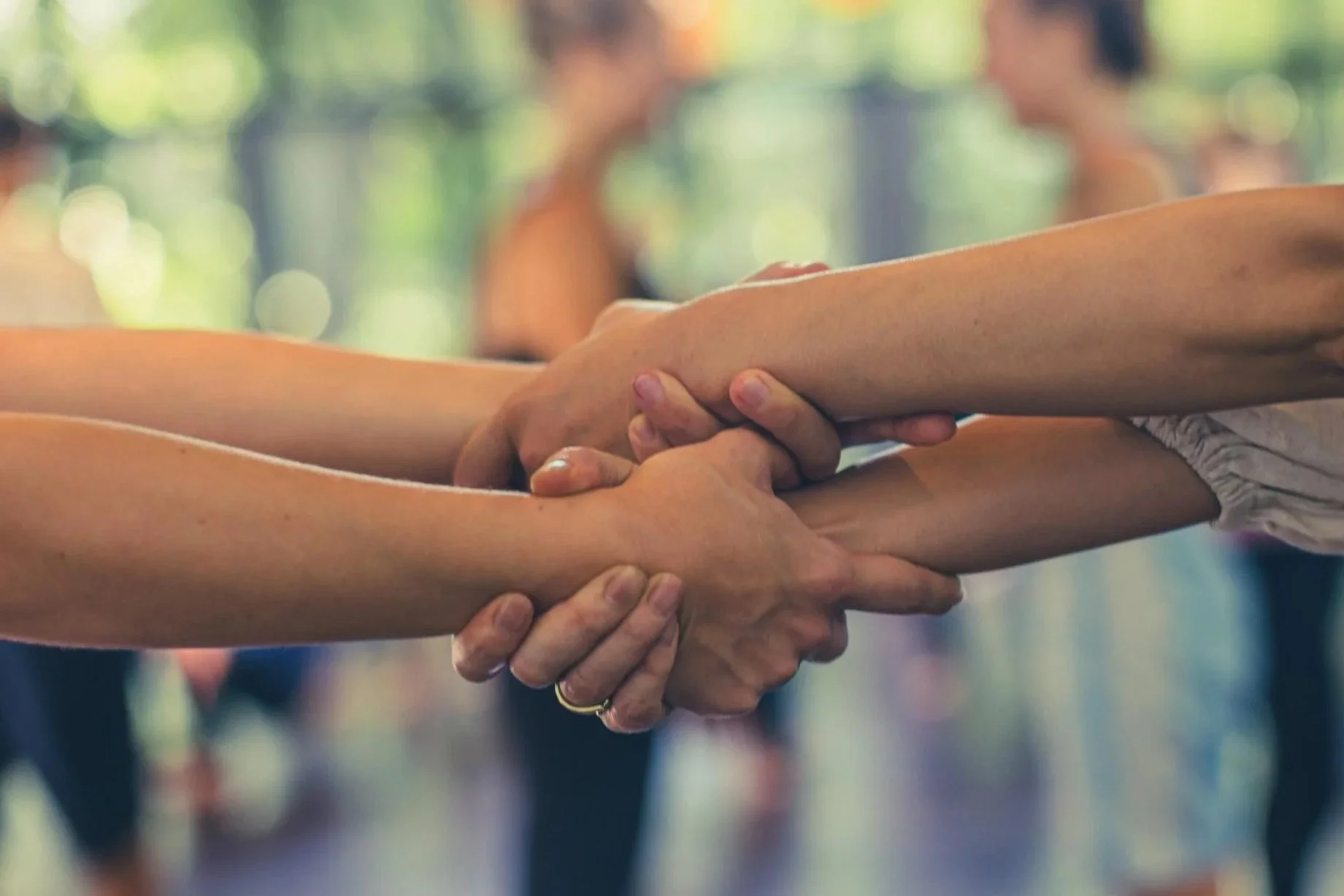
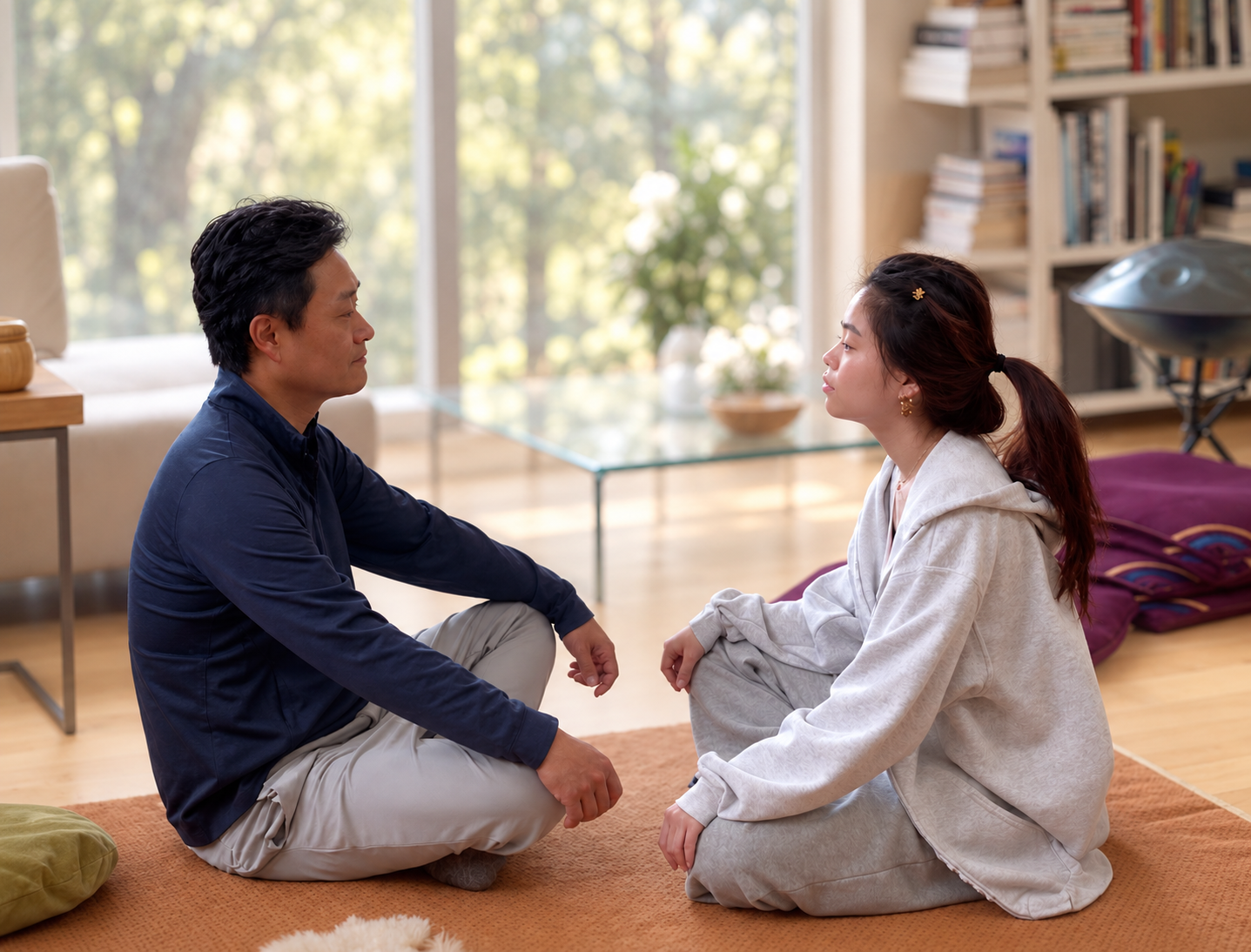
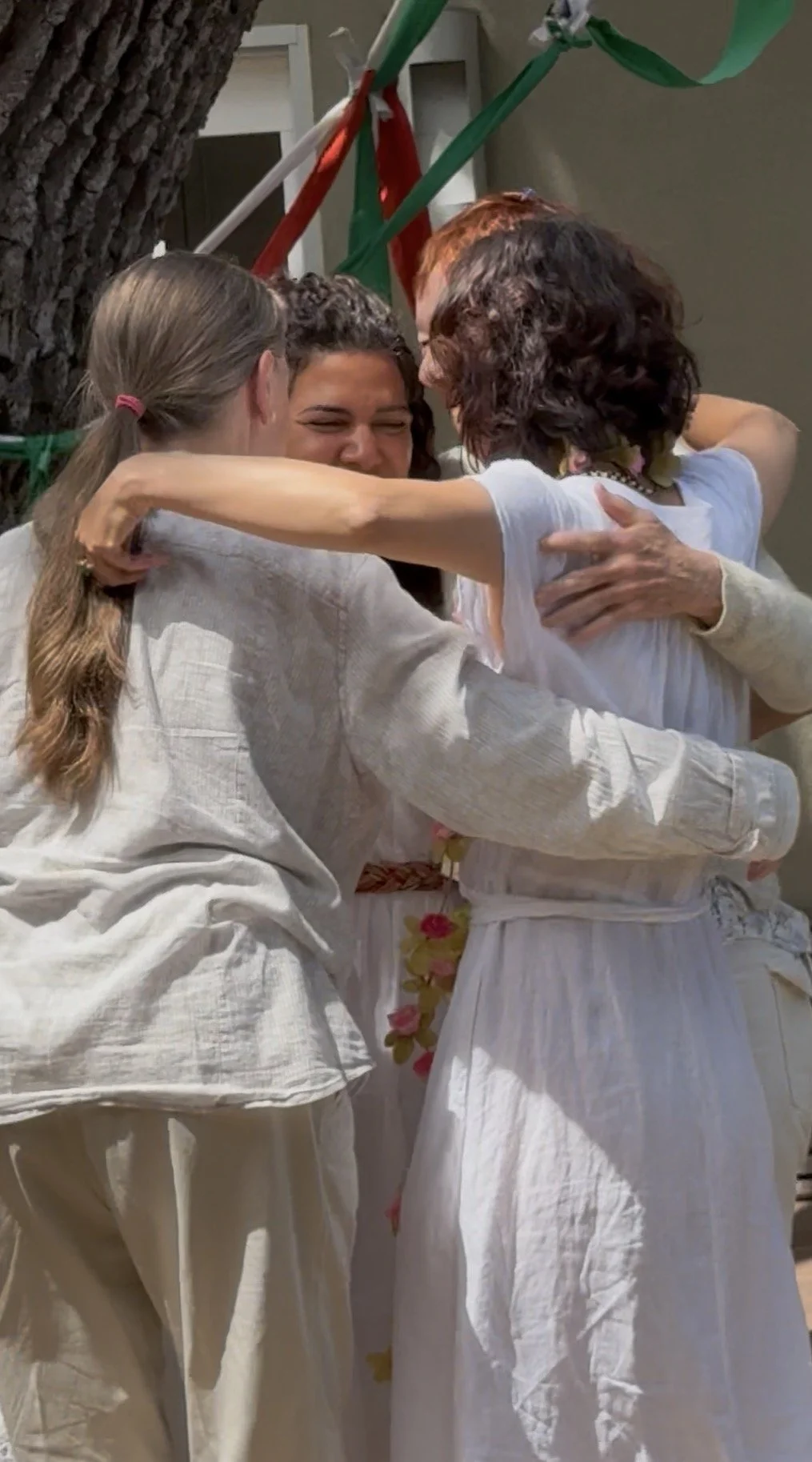
We begin by tending the space between us.
Safety does not mean we are always calm or comfortable. Uncertainty, sadness, activation, or moments of disconnection may come. What matters is that we have room to find our way back—to ourselves and to one another.
Research in attachment and affect regulation shows that experiences of safety and attunement can support neuroplasticity—our brain’s capacity to change through experience. Over time, this can open different ways of feeling, responding, and relating.
The circle becomes a kind of nest—a place where we can explore what is within us and what is emerging between us.
“All real living is meeting.”
— Martin Buber

Continuum
Listening from Within
What becomes audible when we listen within?
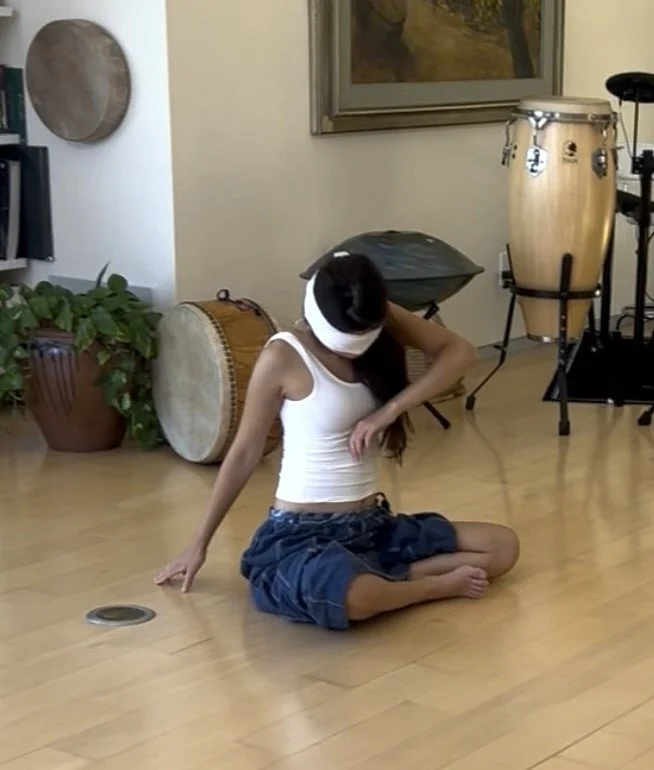
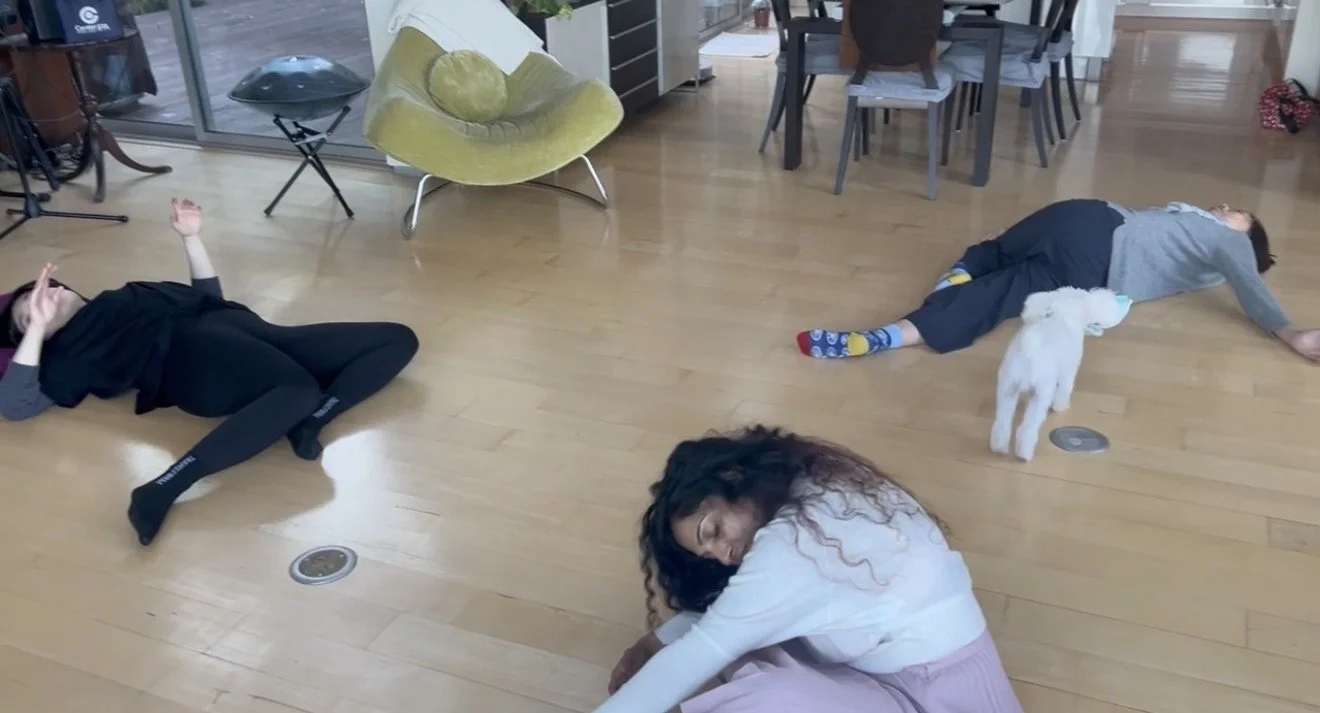
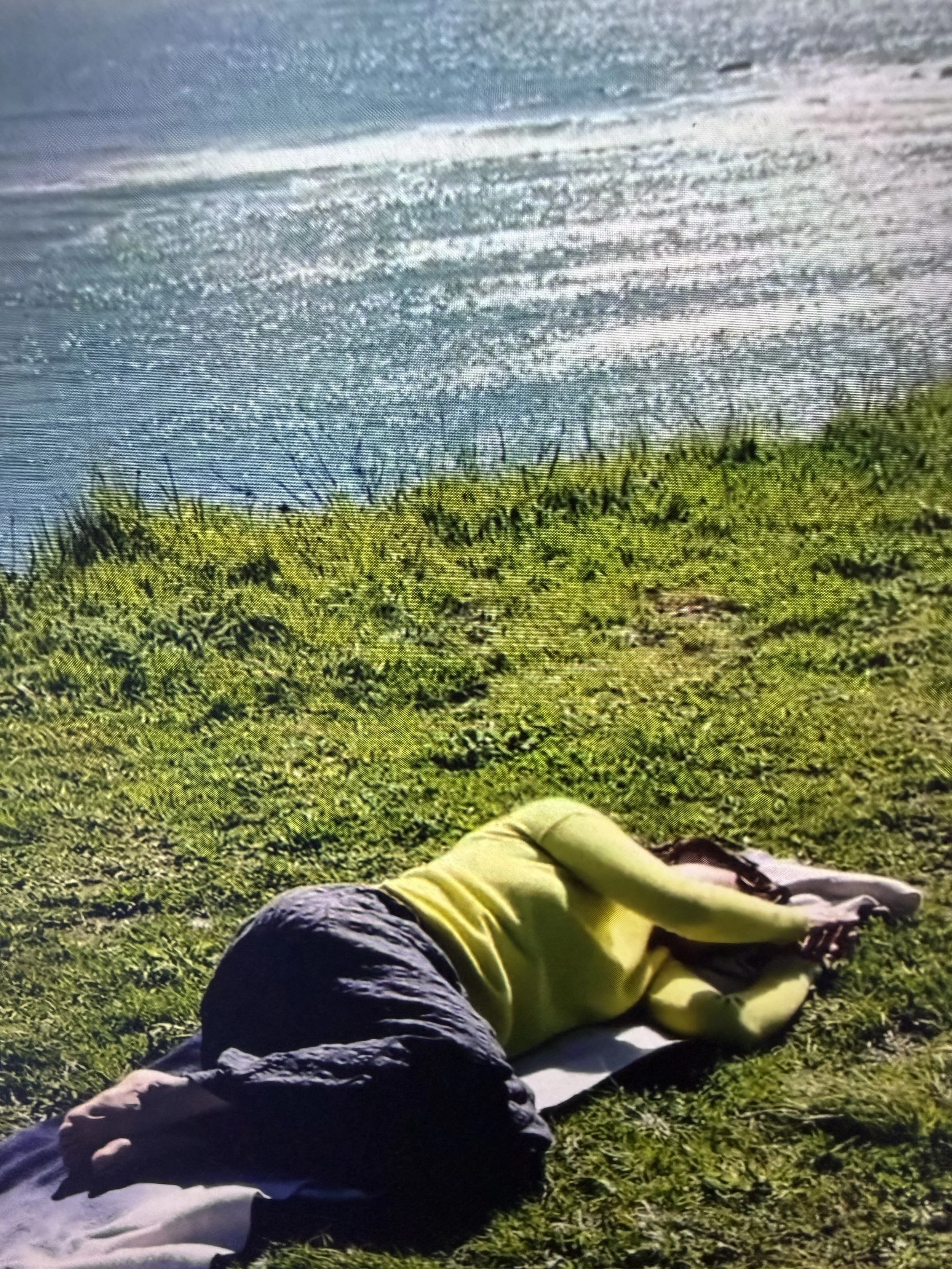
We use breath, sound, touch, and movement to slow our habitual ways of moving and paying attention. Sound is audible breath. As vibration moves through the body, places that feel held or patterned may begin to soften.
Movement can be large and expressive, or so subtle it is almost invisible. As we become curious about these subtle movements, we begin to sense more of our inner landscape—fluidity, sensation, space, and rhythms beneath everyday awareness.
Rather than telling the body what to do, we listen. We become curious about where the body wants to move.
“Breath is the first music.”
— Emilie Conrad
Tamalpa Life/Art Process
Letting the Body Tell Its Story
“If your body could speak, what would it say?”
— Daria Halprin
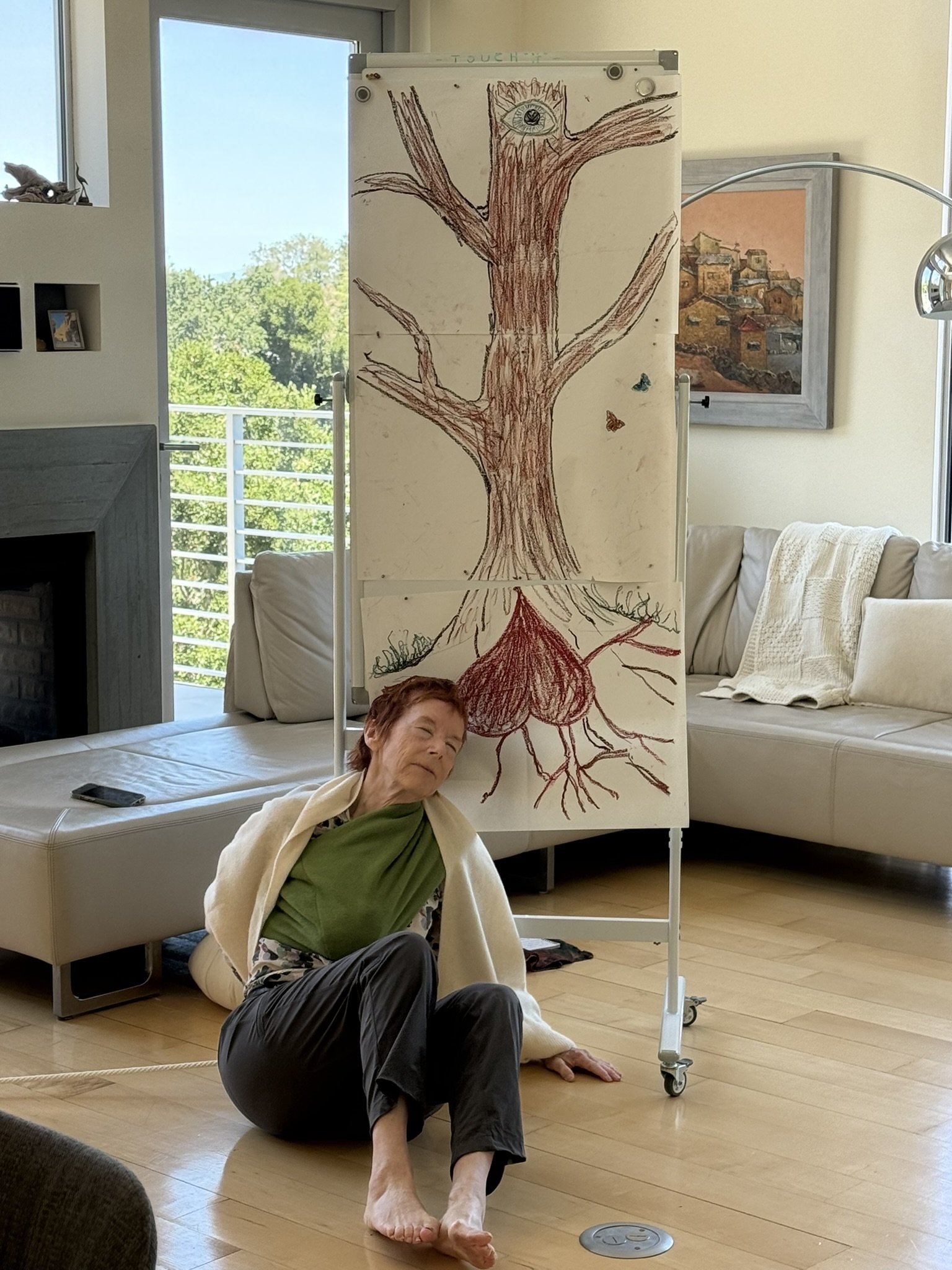
The body carries stories that do not always begin in words. Body Mythology invites us to listen to sensation, memory, image, and movement as doorways into what has been quietly living within us.
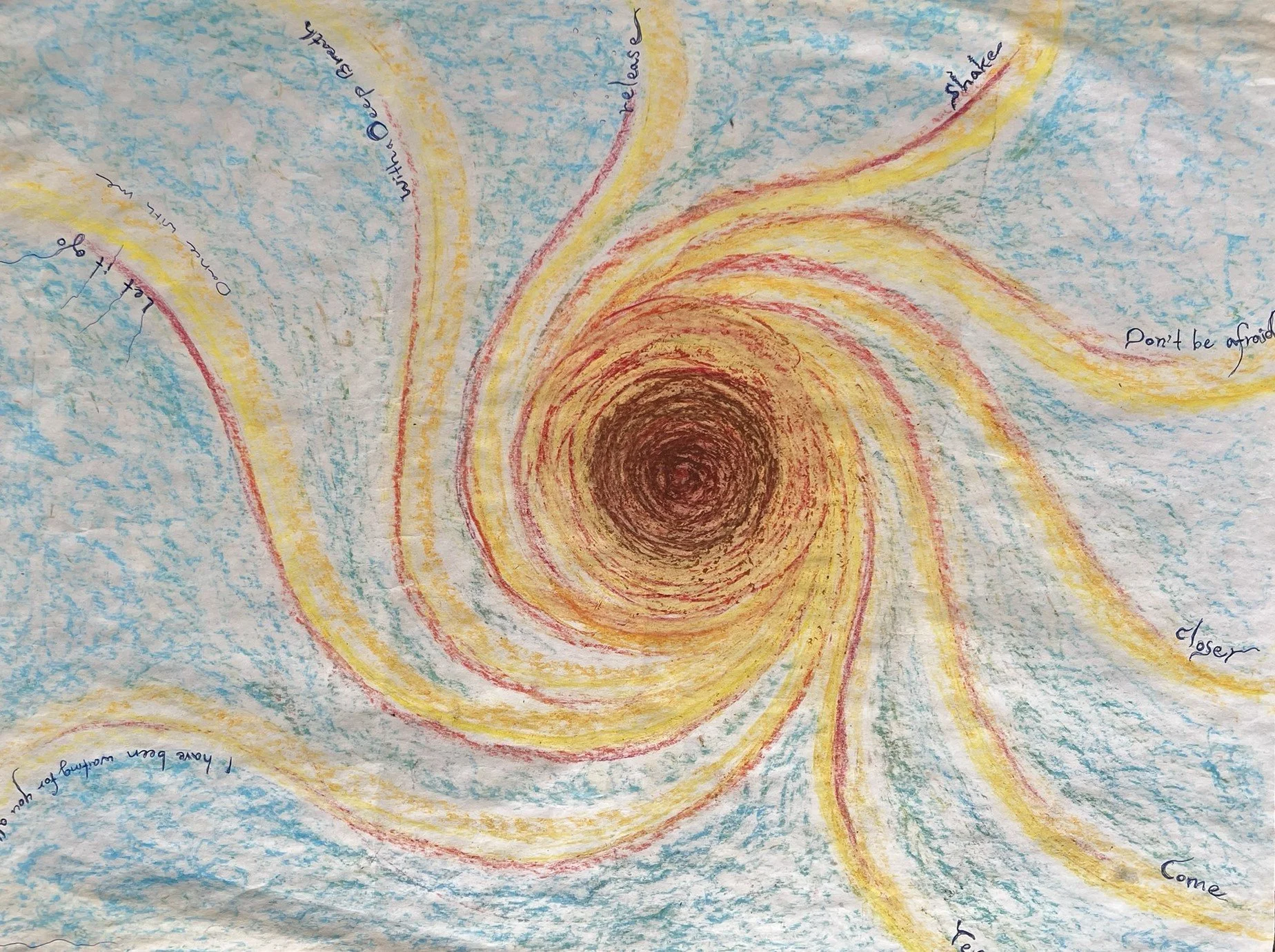
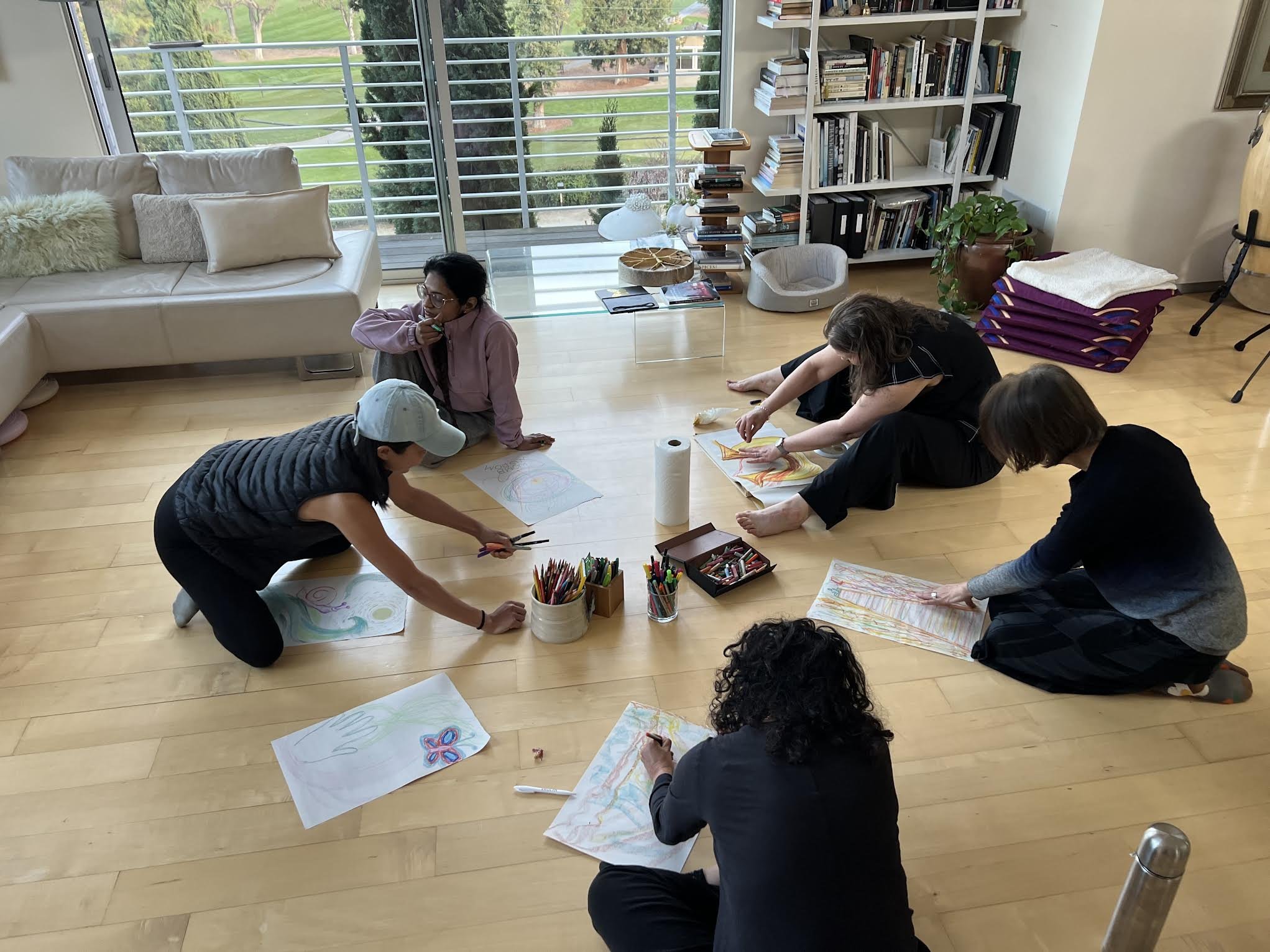
Through movement, drawing, writing, and imagination, inner experience is given form. Art can reveal what we did not know was there—an image, a feeling, a forgotten or hidden part of ourselves emerging before we have words for it.
As we move between body and art, expression and reflection, what has been hidden can be seen, witnessed, and reclaimed. Through this creative dialogue, we come into relationship with more of who we are.
“Everything that has happened to me in my life, I use to make art.”
— Anna Halprin
Ritual
Crossing the threshold
What is asking to be crossed?
A threshold is not simply a boundary, but a meeting place between what has been and what is becoming.
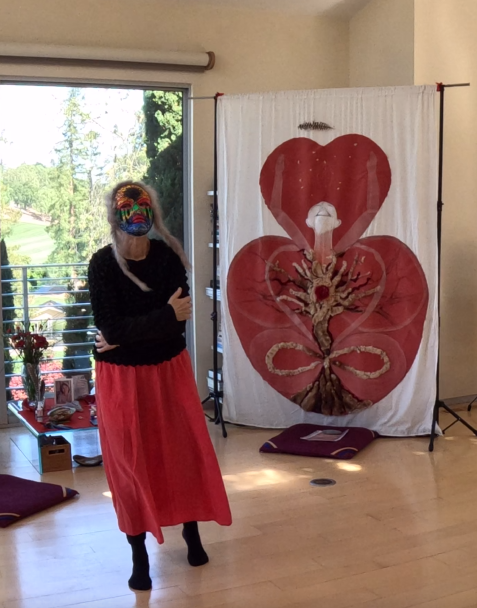
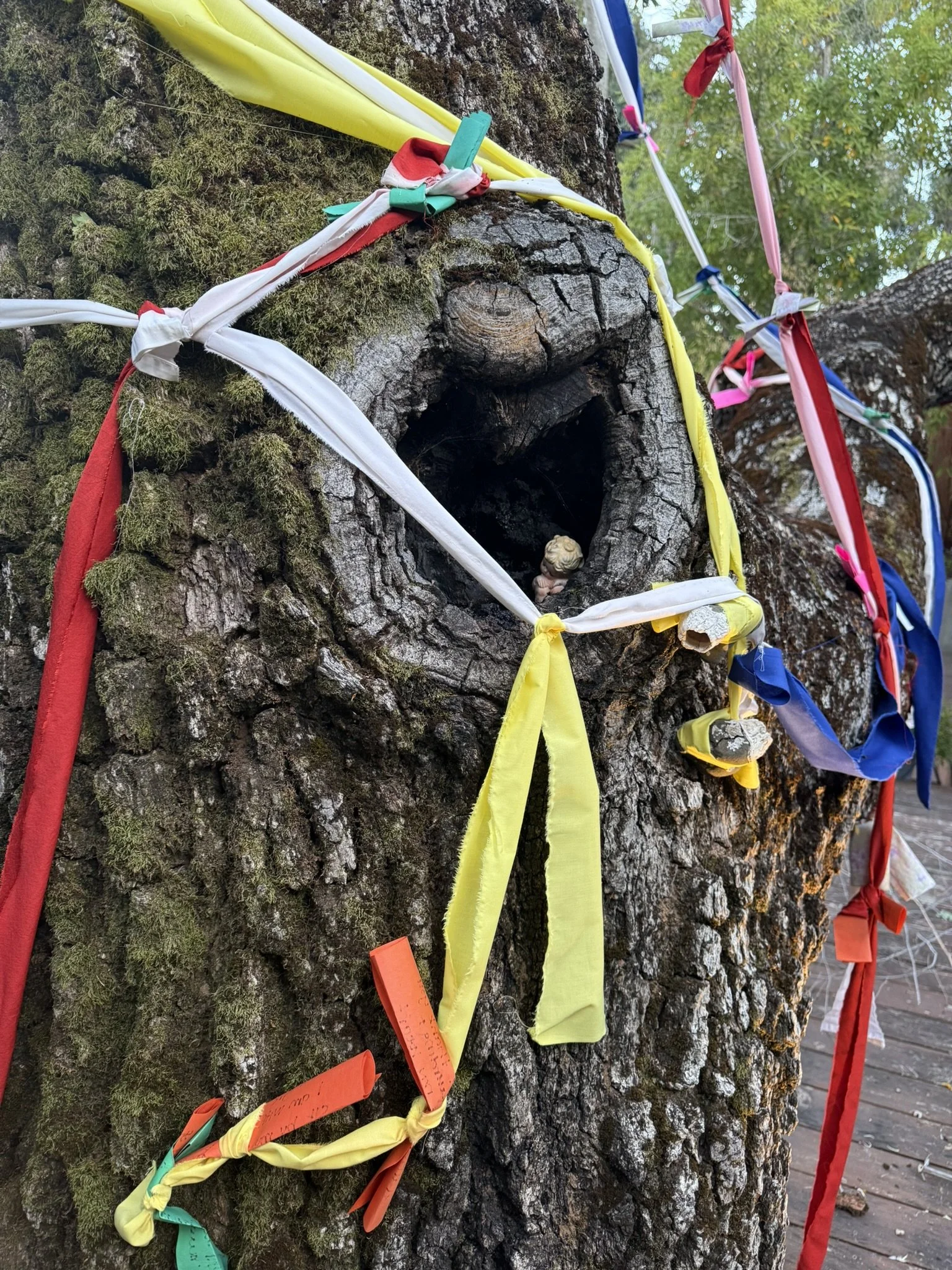
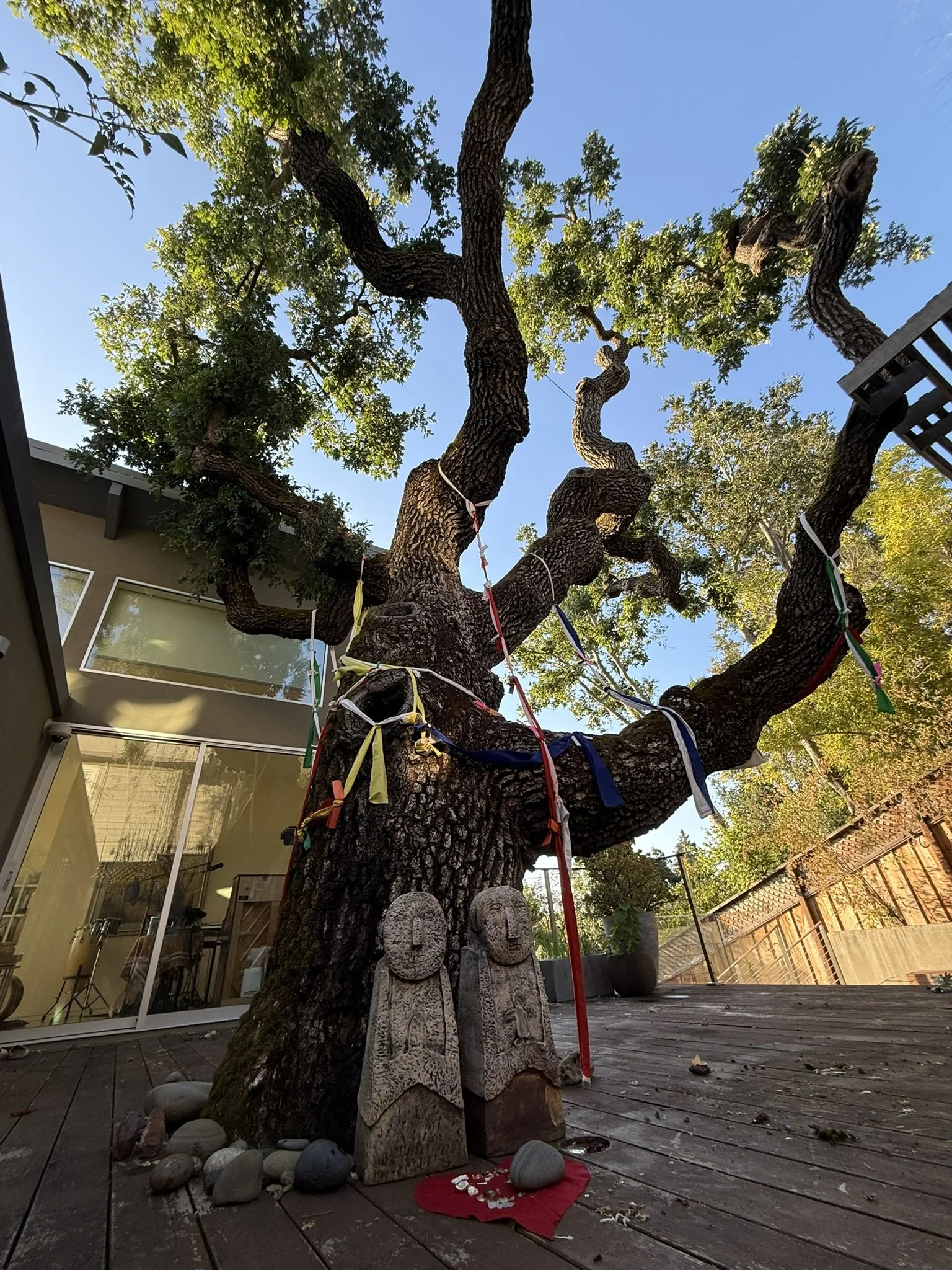
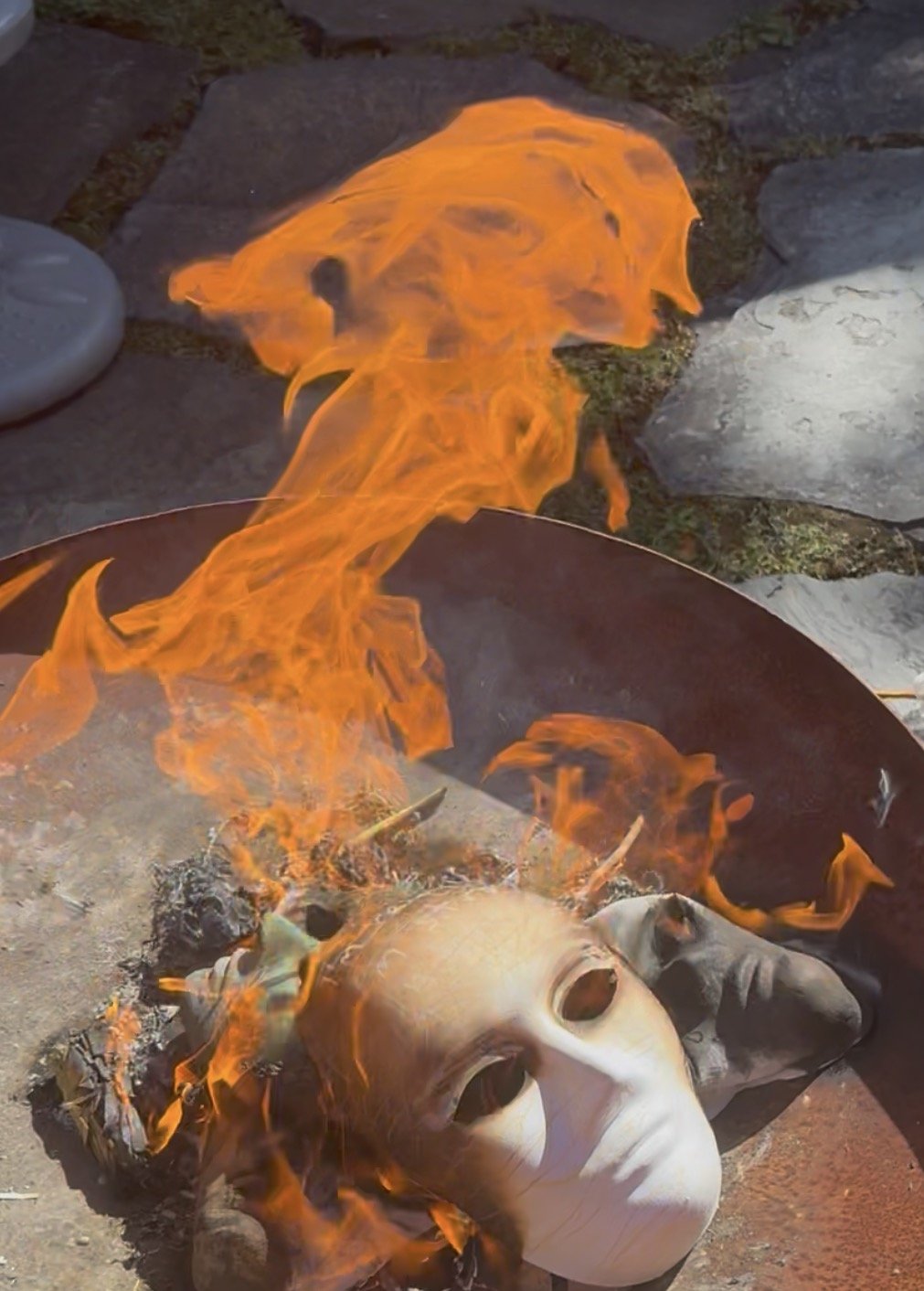
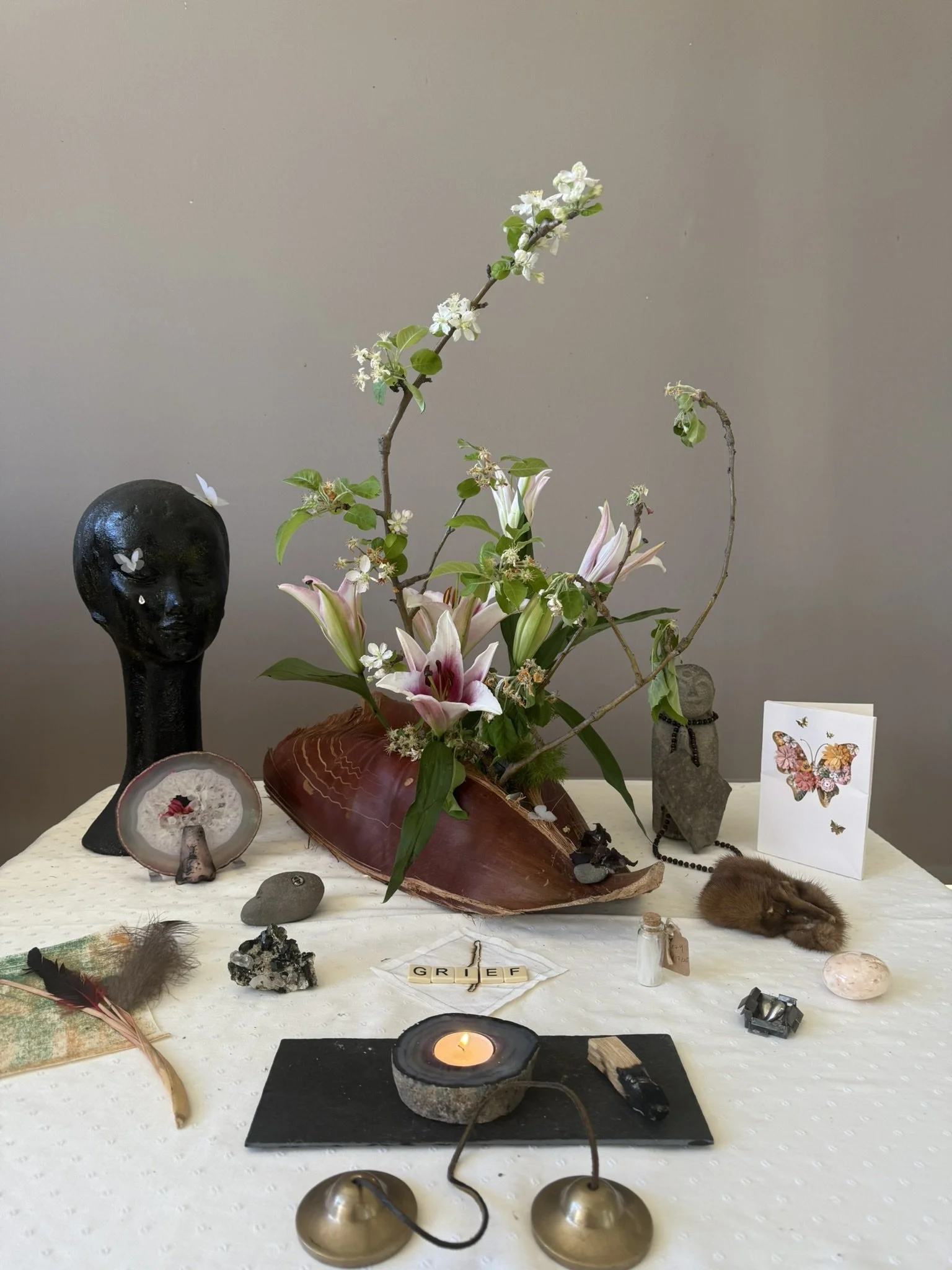
Ritual gives form to these crossings. Through gesture, image, object, movement, and the tending of an altar, we gather our attention—remembering what matters and listening for what is asking to emerge.
Within ritual, we step beyond our familiar narratives and make room for mystery—for something larger than what we already know.
“This is one reason why such vital crossings were always clothed in ritual.”
— John O'Donohue

Emergence
Listening for What is Emerging
What is becoming?
Not everything we know begins in words. Through movement, sound, image, and expression, something beneath the surface may begin to stir.
When we stay with what is arising—without needing to name it or know where it is going—new connections can begin to form. Something once hidden, fragmented, or simply unknown may find its way into awareness.
Emergence is making space for the unknown—listening for what is becoming.
“Out of bad comes good;
but also out of fate can come a destiny.”
— Michael Meade